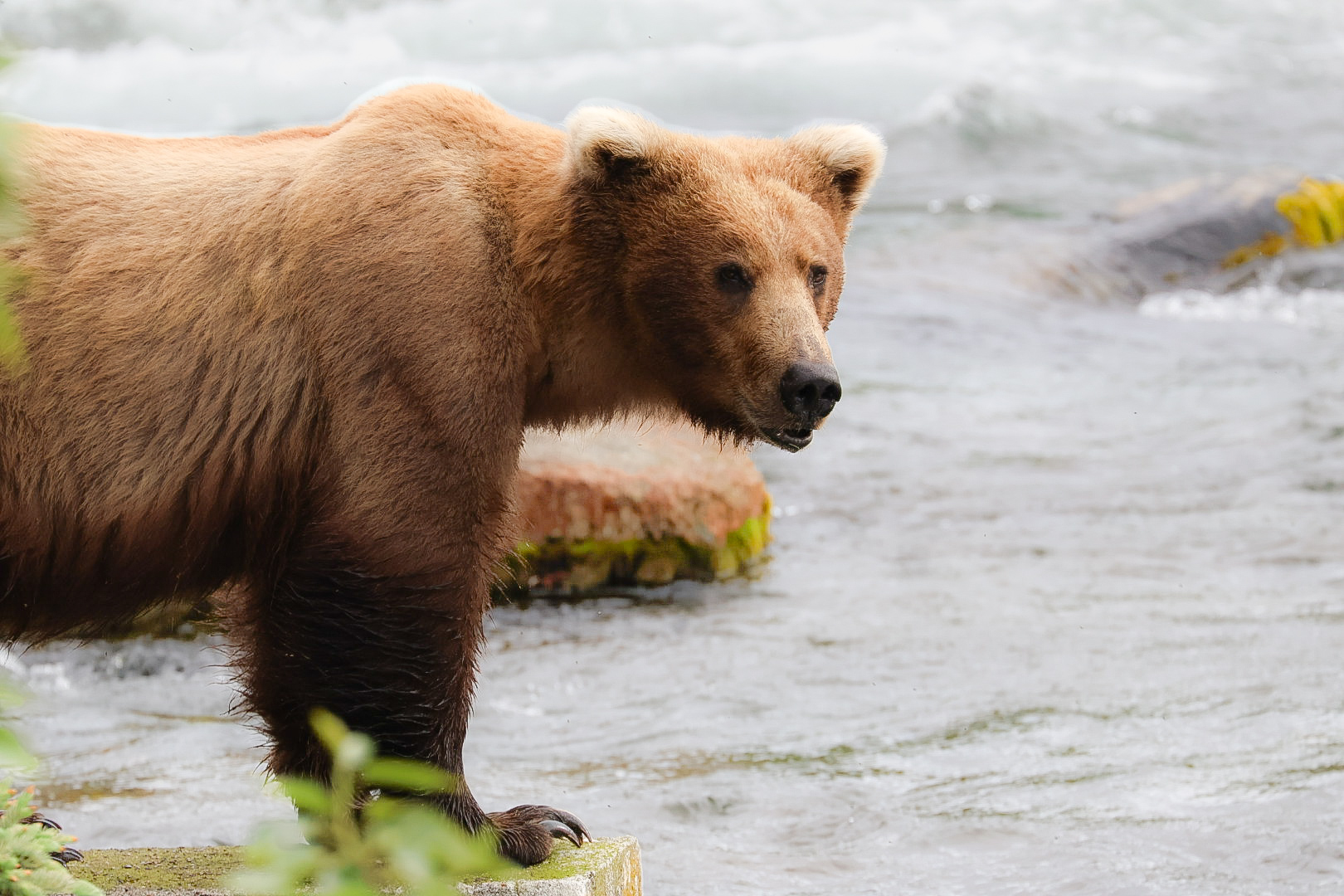
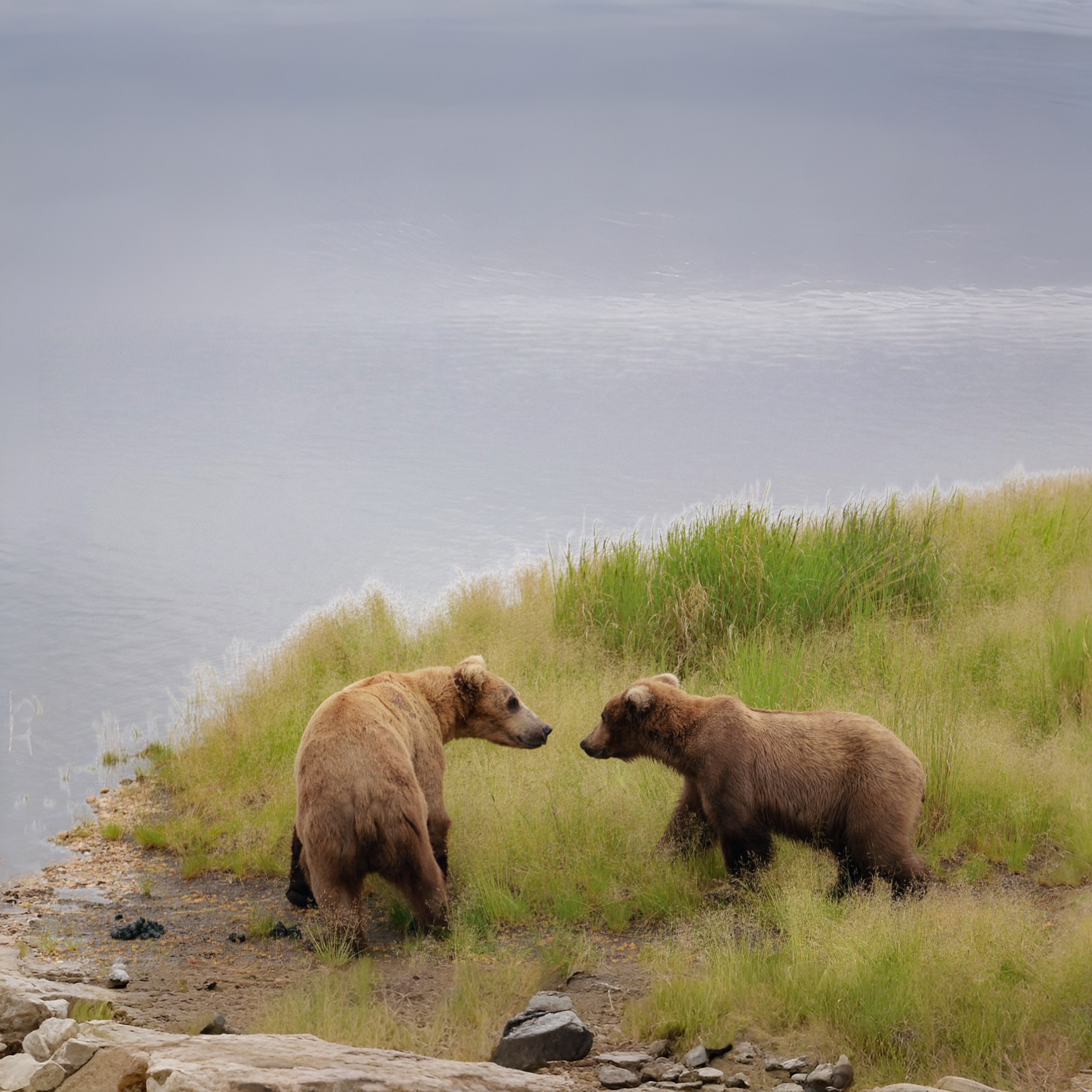
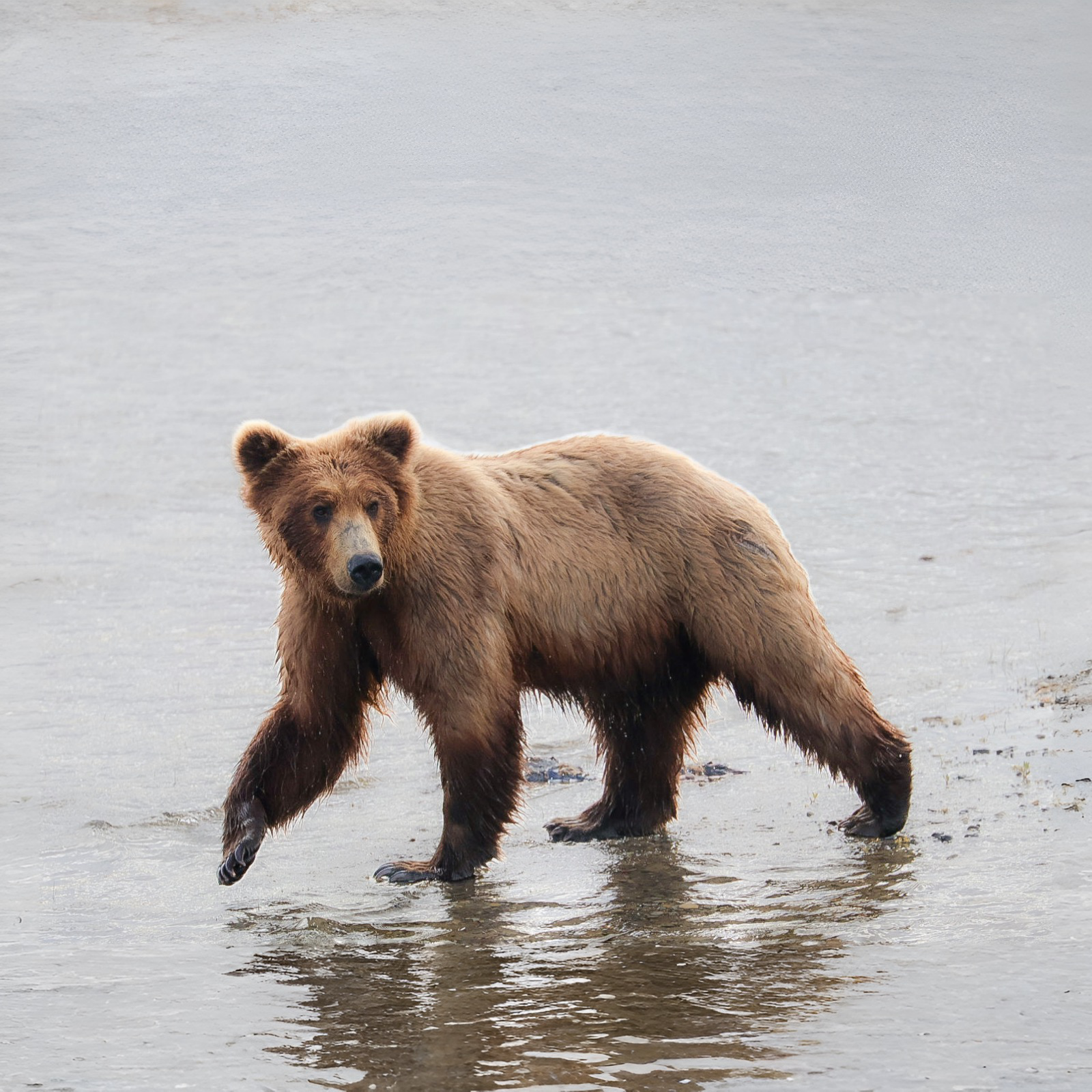
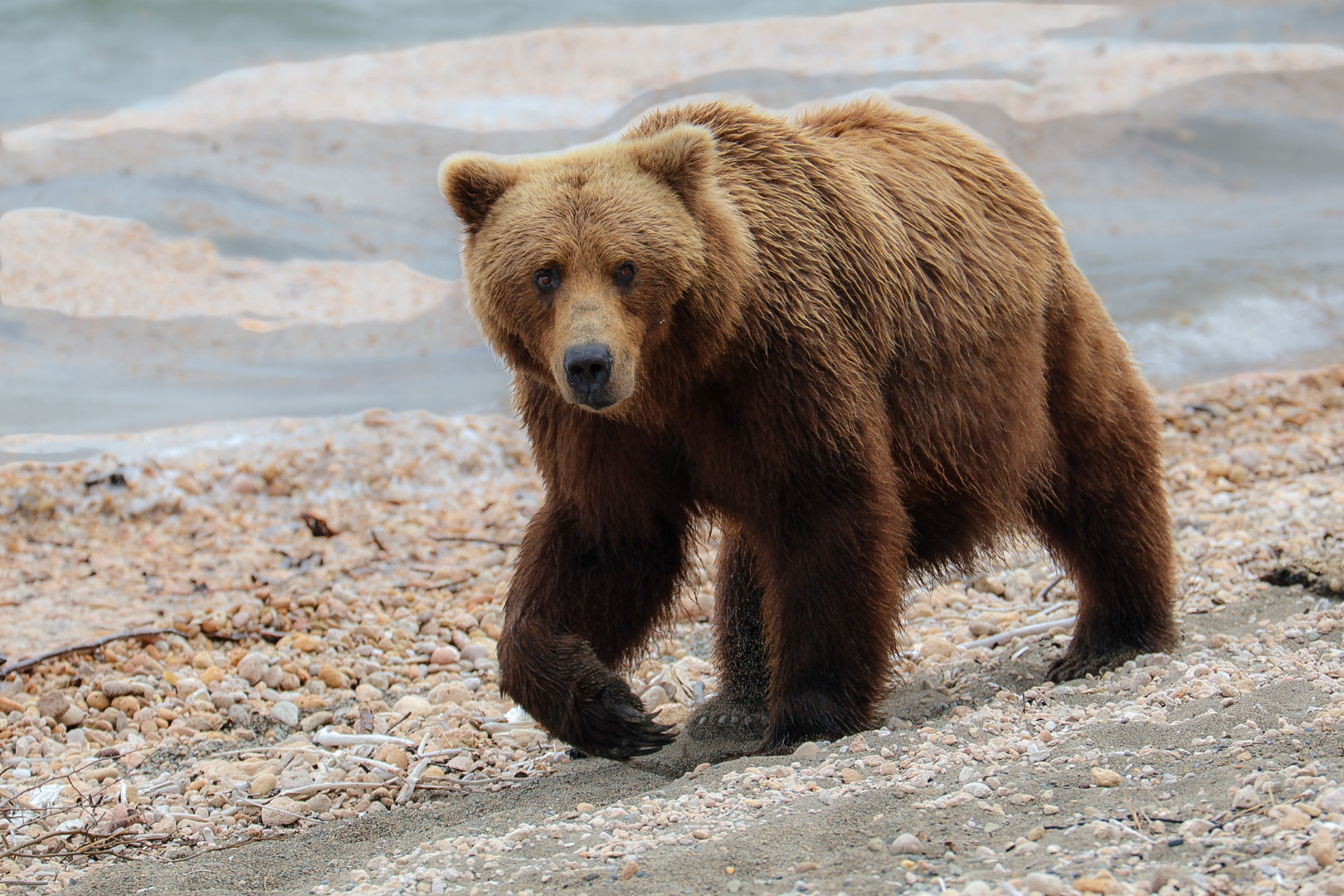
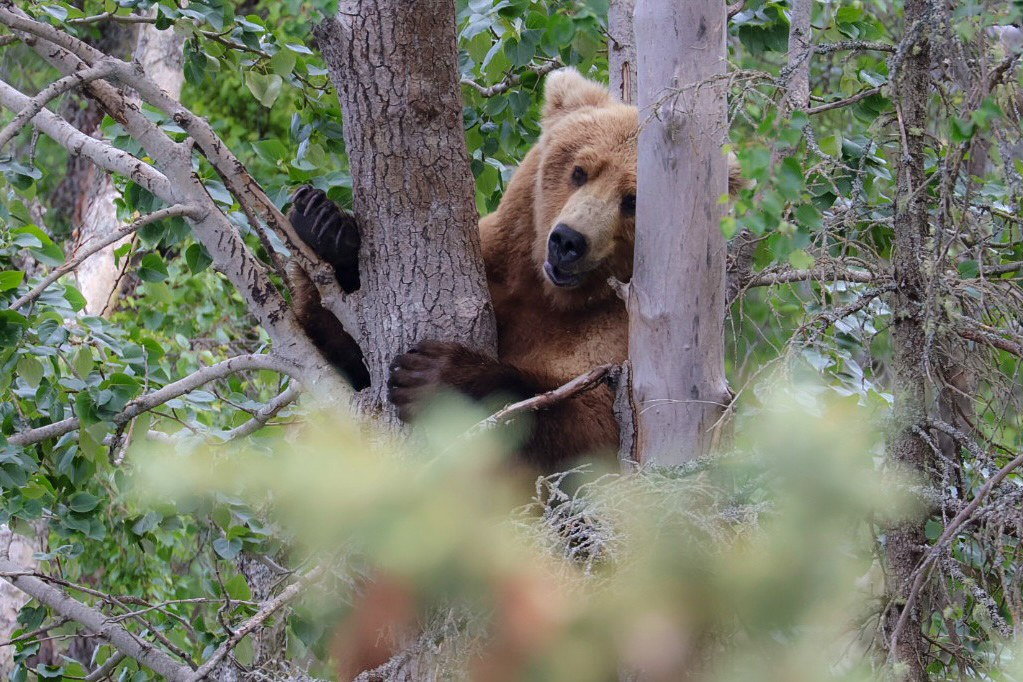
Katmai National Park and Preserve is one of the most extraordinary and remote destinations in Alaska. Known for its rugged beauty, diverse wildlife, and the famous Brooks Falls, where brown bears feast on salmon, Katmai offers a unique opportunity to experience the wildness of Alaska like nowhere else. Whether you’re there to witness the awe-inspiring sight of bears fishing, hiking through pristine wilderness, or simply to soak in the stunning landscapes, Katmai is a must-visit for nature lovers and adventure seekers.
After successfully securing a 2-night camping permit here in late June after my first try using the reservation system, I wanted to share everything you need to know about how to plan your trip to Katmai National Park and Preserve including how to secure a permit, how to get there, what to pack, and some things I wish I had known… like what to expect and other helpful tips.
1. How to Book a Reservation for Brooks Camp (Brooks Lodge and Campground)
The Brooks Camp area is the most popular spot in Katmai, known for its bear viewing platforms and proximity to Brooks Falls. Staying at the Brooks Lodge or camping at Brooks Campground is a highly sought-after experience, but reservations are required, and they fill up incredibly fast!
Booking Dates:
Brooks Lodge
- Lottery System: The application window for the 2026 season for Brooks Lodge was open from December 1-30, 2024, with lottery results emailed by February 7, 2025. Those who won a reservation, they received an invitation to confirm and pay a 50% non-refundable deposit within 7 days, with full payment due 90 days prior to arrival. You can apply for the lottery online via the official Brooks Lodge reservation page. Be sure to check the NPS (National Park Service) website or the Brooks Lodge booking page for the exact dates when the lottery will open.
Brooks Campground
- Reservation Window: Reservations for the Brooks Campground open each year usually the first week of January with most recent years favoring Jan 5 or Jan 7 at 8am Alaska Time (AKST) or 12pm EST. You can make reservations for camping for dates between June 1st and September 30th, the prime bear-watching season with July being the most sought-after month when the salmon are at their peak.
- You can book your spot at Recreation.gov, which is the official booking platform for most National Park reservations.
Cost:
The cost of staying at Brooks Lodge and the Brooks Campground varies widely, but here’s a general breakdown of the costs:
Brooks Lodge:
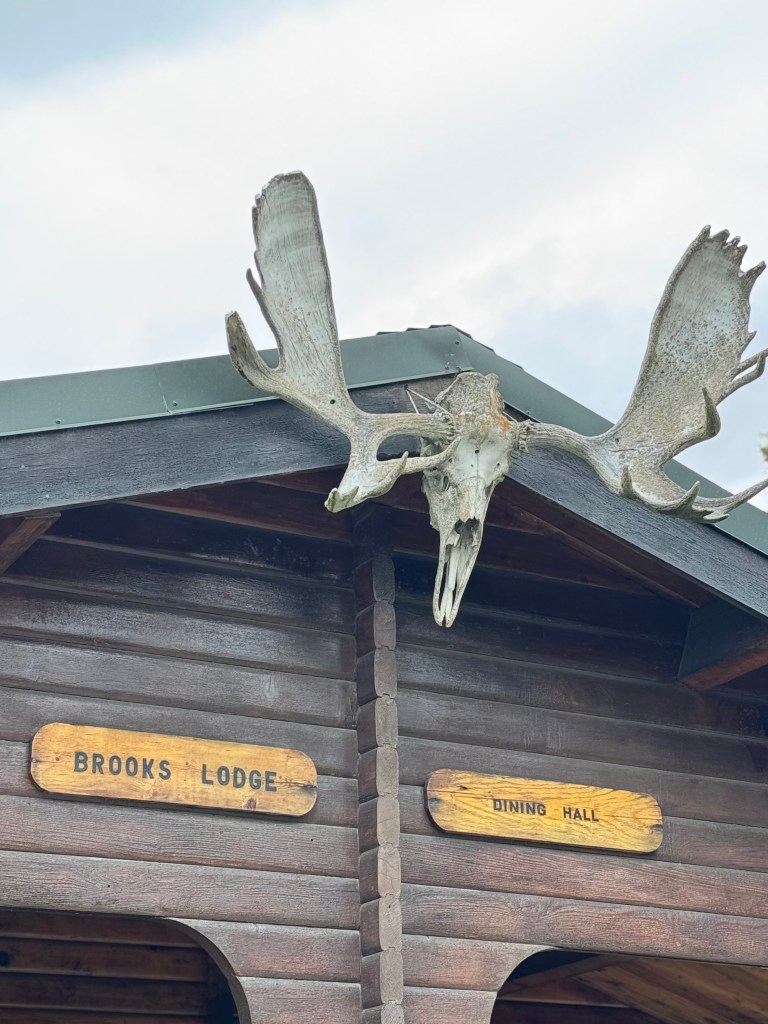
Staying at Brooks Lodge offers a more comfortable experience, with rooms that have private bathrooms and dining options.
- Cost per night:
- As of 2025, the price for a room at Brooks Lodge came in at $1150 per night (max occupancy 4 people).
- Not included in the price
- Meals, transportation, add-on excursions like fishing, boating, visiting the Valley of Ten Thousand Smokes, etc
- Meals
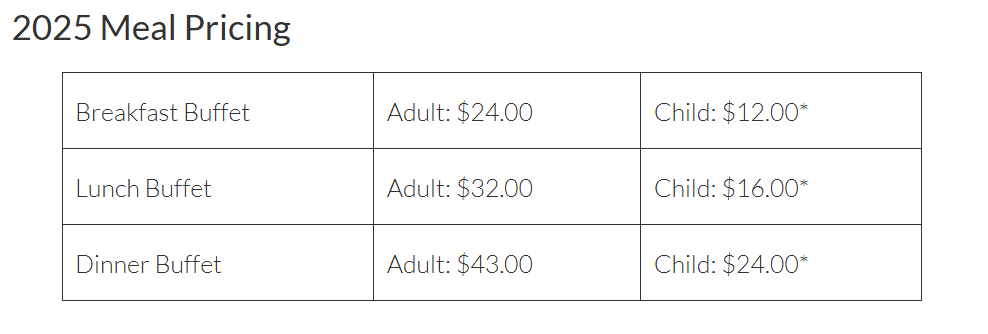
- Can be purchased either ahead of time or on-site during your stay at Brooks. Full buffet prices can be seen below. For those with smaller appetites, smaller a la carte options are available on-site as well.
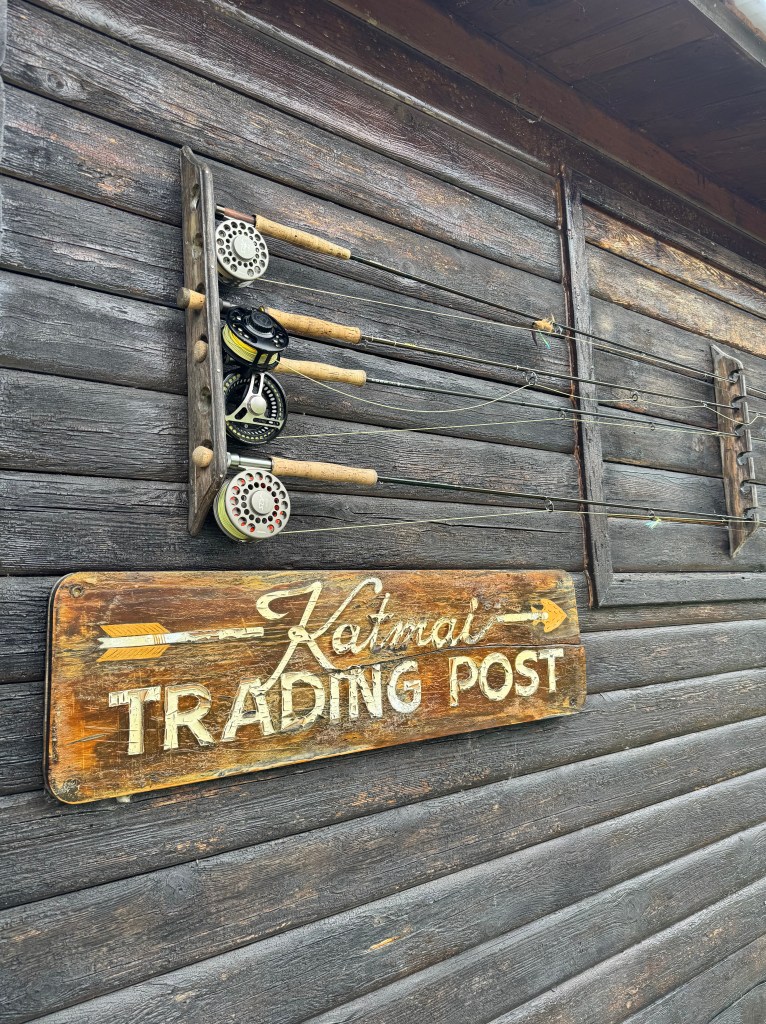
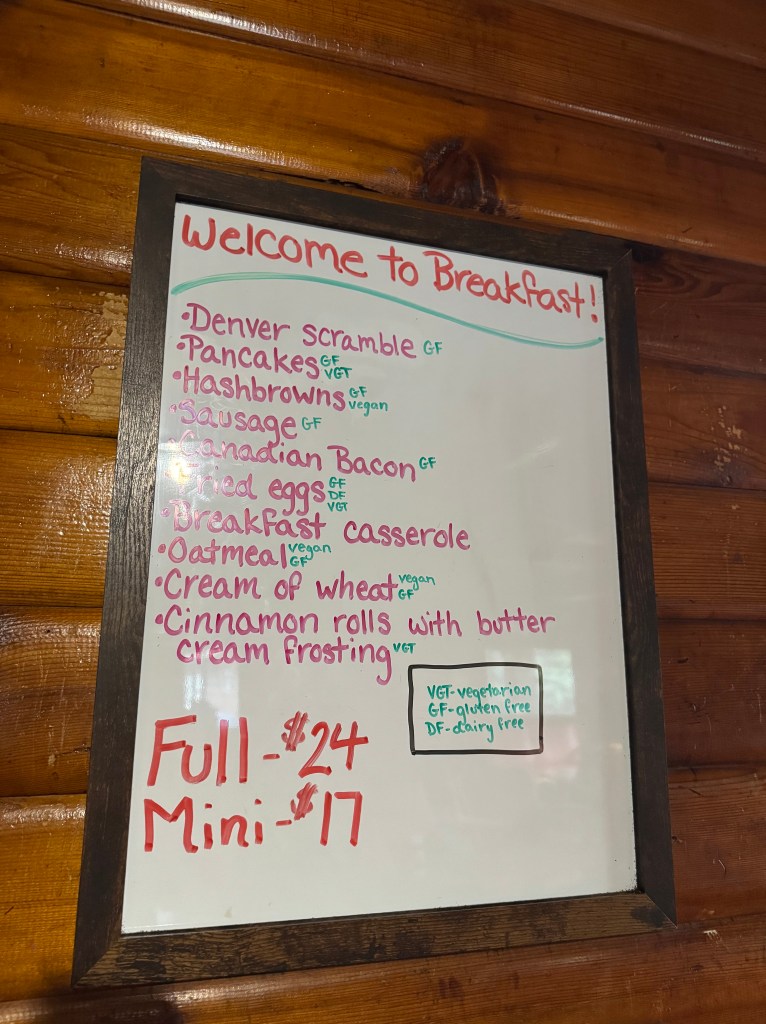
Brooks Campground:
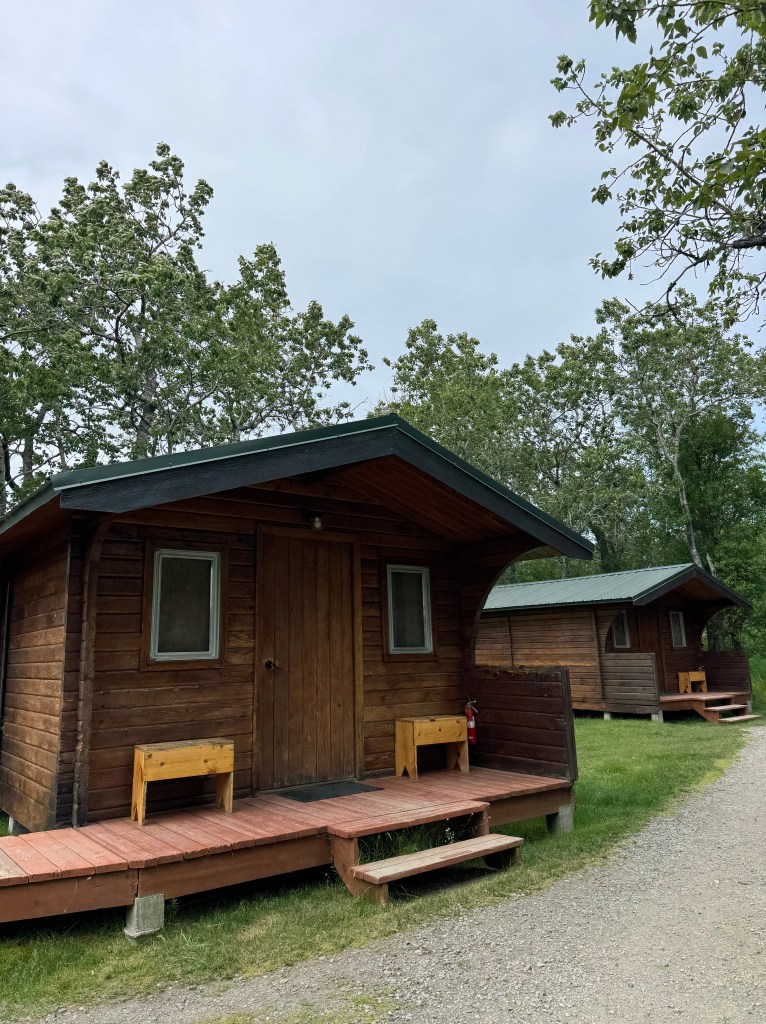
The Brooks Campground is by and far, the more affordable option for those who prefer a more rustic experience.
- Cost per night:
- Camping at Brooks Campground typically costs around $20 to $30 per night.
- Not included in the price
- Campers need to bring their own camping gear (tents, sleeping systems, cooking supplies, food etc.), as there are no rentals provided by the park.
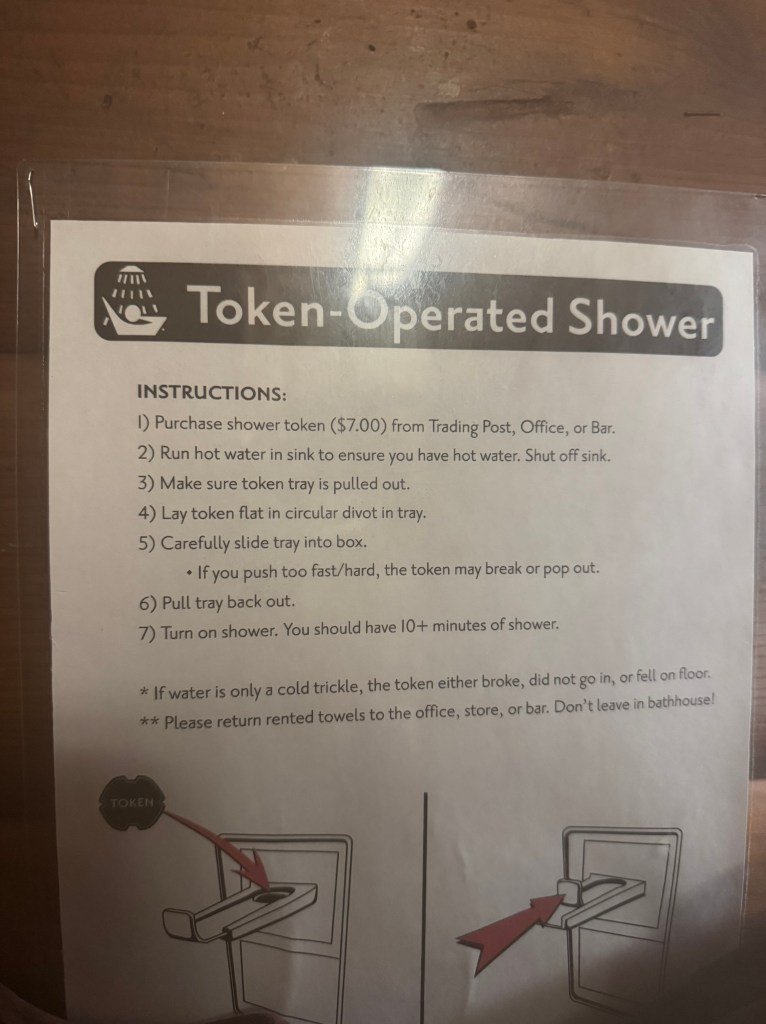
- Showers (available for an additional $7USD)
- Meals
- Must provide your own
- Potable water is available onsite
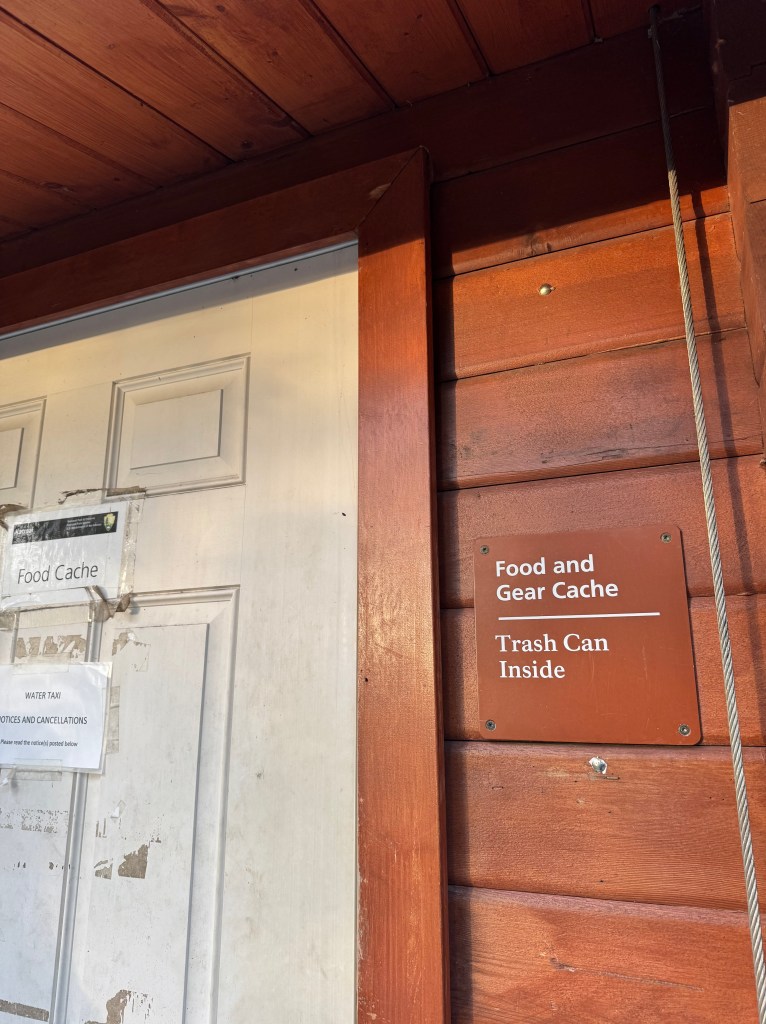
- Food/Gear Cache is available to keep all equipment and food safe while camping
- Coffee/Hot Chocolate can also be purchased for an additional $2USD at the lodge
- Some meals (breakfast/lunch/dinner) may be available for purchase depending on when you visit but do not expect them to be available as the lodge guests are priority.
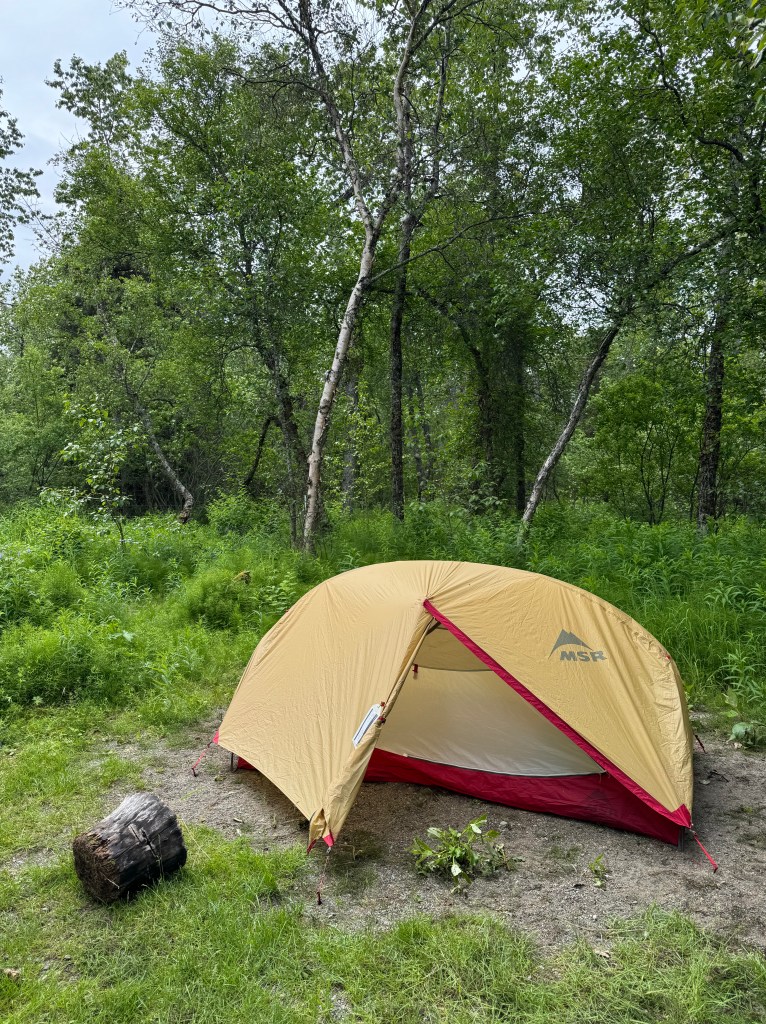
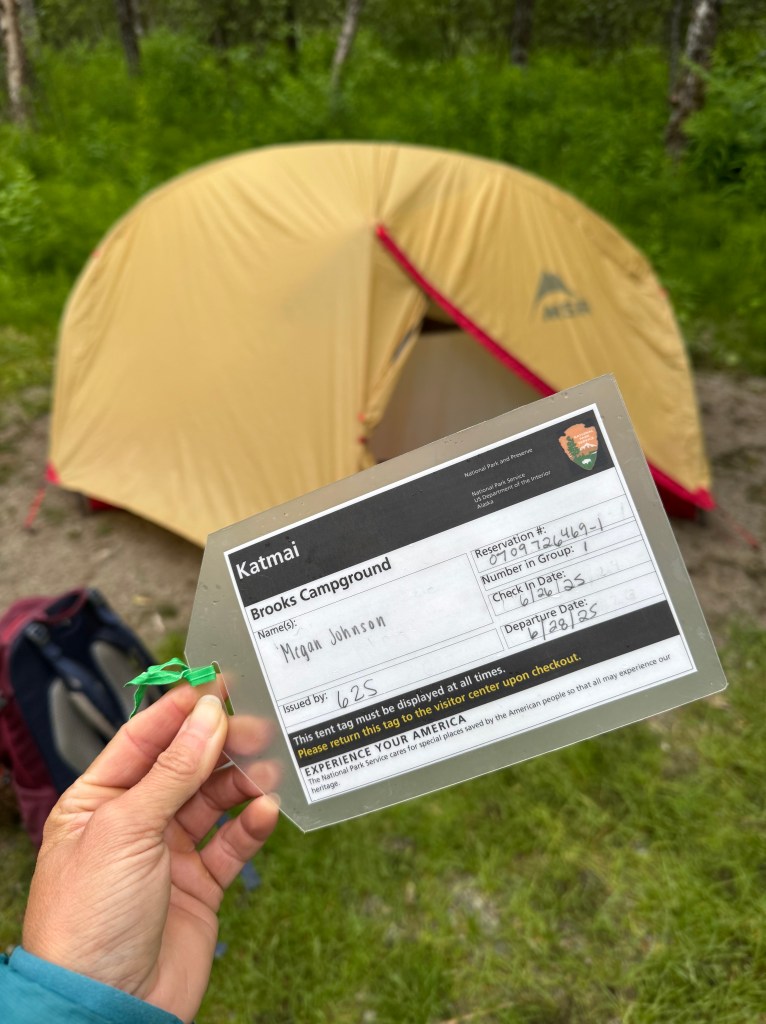
Summary:
- Brooks Lodge: $1150 per night (indoor plumbing, bedding and more luxurious accommodations – don’t need to bring anything, but yourself)
- Brooks Campground: $20 – $30 per night (showers and hot beverages available at an additional cost – need to bring everything for your own accommodations and meals)
If you’re looking for comfort and a more all-inclusive experience, Brooks Lodge is the way to go, but if you’re on a tighter budget and don’t mind roughing it a little, Brooks Campground is a much more affordable option.
2. How to Get to Katmai National Park
Getting to Katmai is part of the adventure. The park is not accessible by road, so there are a few options for how to get there.
By Seaplane (Most Common Option):
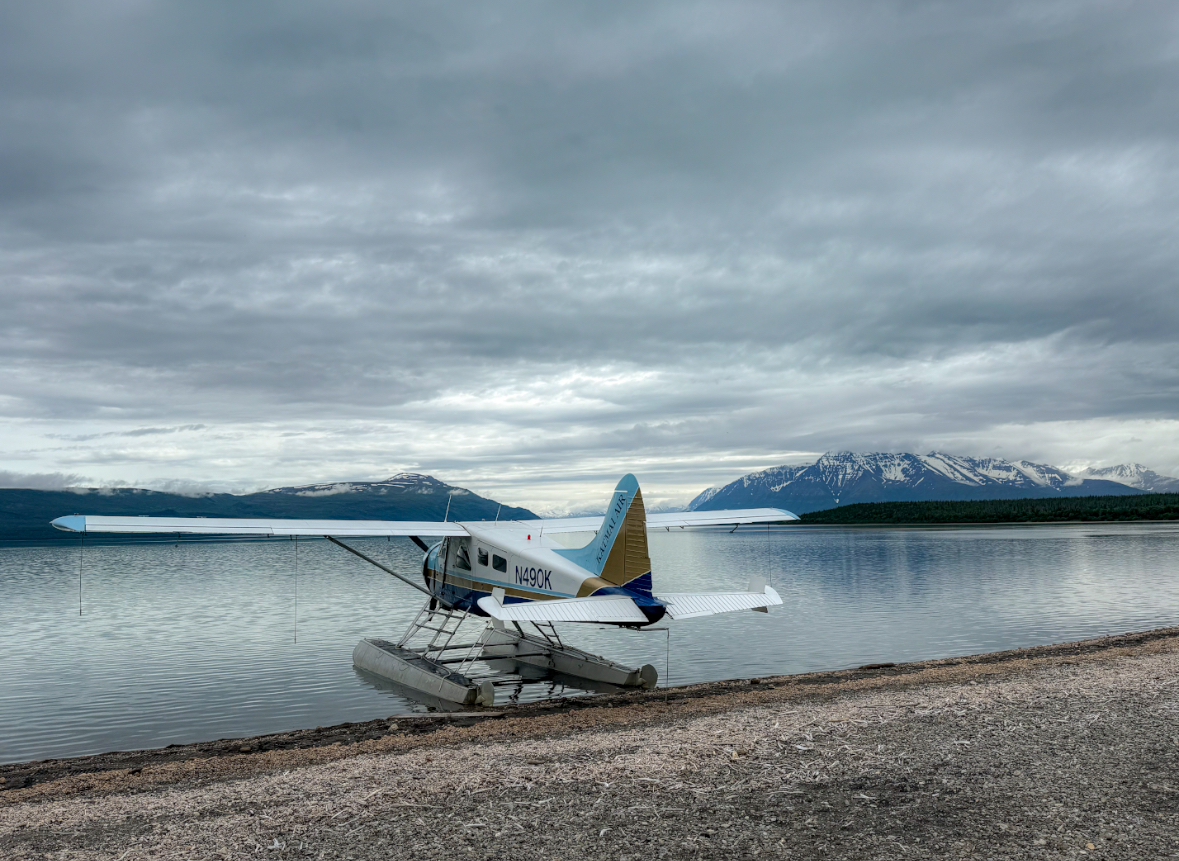
- The most common and direct way to reach Brooks Camp is by seaplane from King Salmon, which is located about 300 miles southwest of Anchorage.
- Fly to King Salmon: You’ll need to take a commercial flight from Anchorage to King Salmon. The flight takes about 1 hour and 15 minutes.
- Seaplane from King Salmon to Brooks Camp: From King Salmon, you can take a seaplane with a company like Katmai Air or Brooks Lodge’s own seaplane service. The flight takes about 25 minutes and will drop you off at Brooks Camp.
- Booking Seaplane Flights: There are few companies available so make sure to book early. The cost of a round-trip ticket typically ranges between $1200 and $1500 per person, depending on the time of year and the service provider.
3. What to Bring/Pack for Camping
Packing for Katmai requires a bit of extra thought, as the park is remote and the weather can be unpredictable.
- Camping Gear:
- Tent
- Pillow
- Sleeping system
- Sleeping pad
- Clothing:
- Long sleeves (moisture wicking)
- Short sleeves
- Rainjacket
- Insulated jacket
- Sturdy boots
- Hiking pants
- Hat
- Beanie
- Gloves
- Underwear
- Socks
- Sunglasses
- Cooking & Food
- Stove & Fuel (see below under “TIPS”)
- Cookware:
- Utensils
- Camp mugs, etc
- Food
- Freeze-dried meals
- Snacks like nuts, trail mix, jerky, energy bars, etc
- Camera Gear:
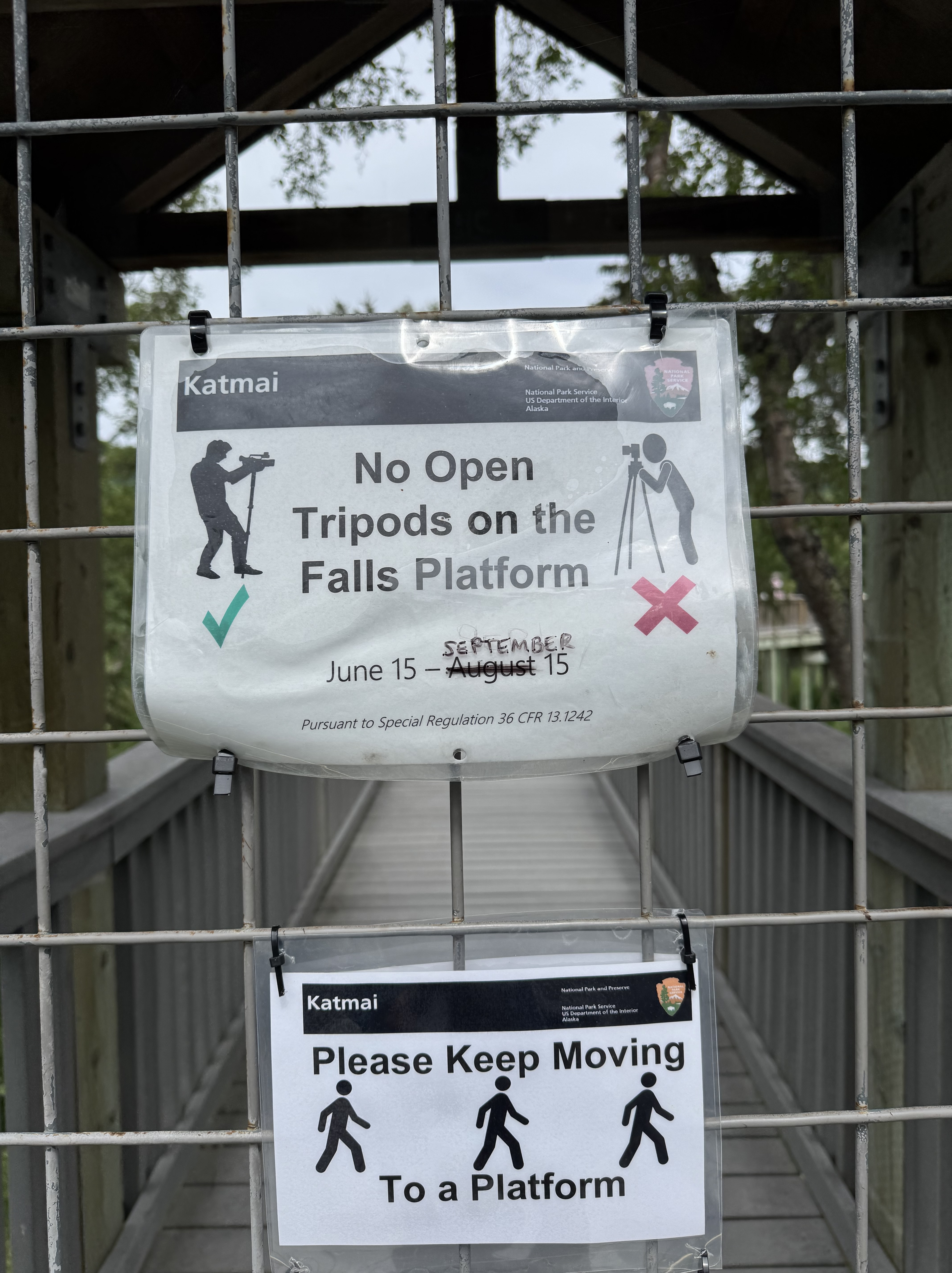
- Katmai is a photographer’s dream, especially if you’re hoping to capture bears in action. Bring a good camera and a monopod if needed for steady shots (tripods are not allowed to be extended on the platforms)
- Spare batteries and memory cards
- Binoculars
- Other Essentials:
- Portable battery pack
- Charging cables
- Sunscreen and lip balm
- A backpack for daily hikes and day trips.
- If you are staying longer than a few days I recommend taking a guided tour into the Valley of Ten Thousand Smokes)
- Water bottle
- Bug repellent: While not a huge problem, there can be many insects during the summer months, so it’s good to bring some along.
- Hand sanitizer
TIPS:
You do not need to bring the following:
- Headlamp: in the summer the sun doesn’t set until around midnight and rises around 4am (even at night it never gets fully dark!!)
- Camping chair (if you’re like me you will probably never be at your camp site and will be exploring all day- if you do want to sit down however there are plenty of picnic tables within the campground to do so)
- Toilet paper (the outhouses are very clean and well stocked)
- Bear Spray: you can’t typically fly with this unless on a private charter and they don’t sell or rent this at the lodge store either, but all of the park employees will be equipped with spray at all times. If you follow the rules and stay a safe distance away from the bears you should never need this anyways; the bears will be more interested in catching salmon, sleeping and mating than they will be in you!
- Stove/Fuel: I’m a firm believer in packing as light as I can. I brought tuna packets and wraps, power bars, jerky and other food items that didn’t require cooking. I also ate dinner one night at the lodge, so this choice is totally up to you, but depending on how long you are staying you may not need to bring these items with you.
4. What to Expect at Katmai
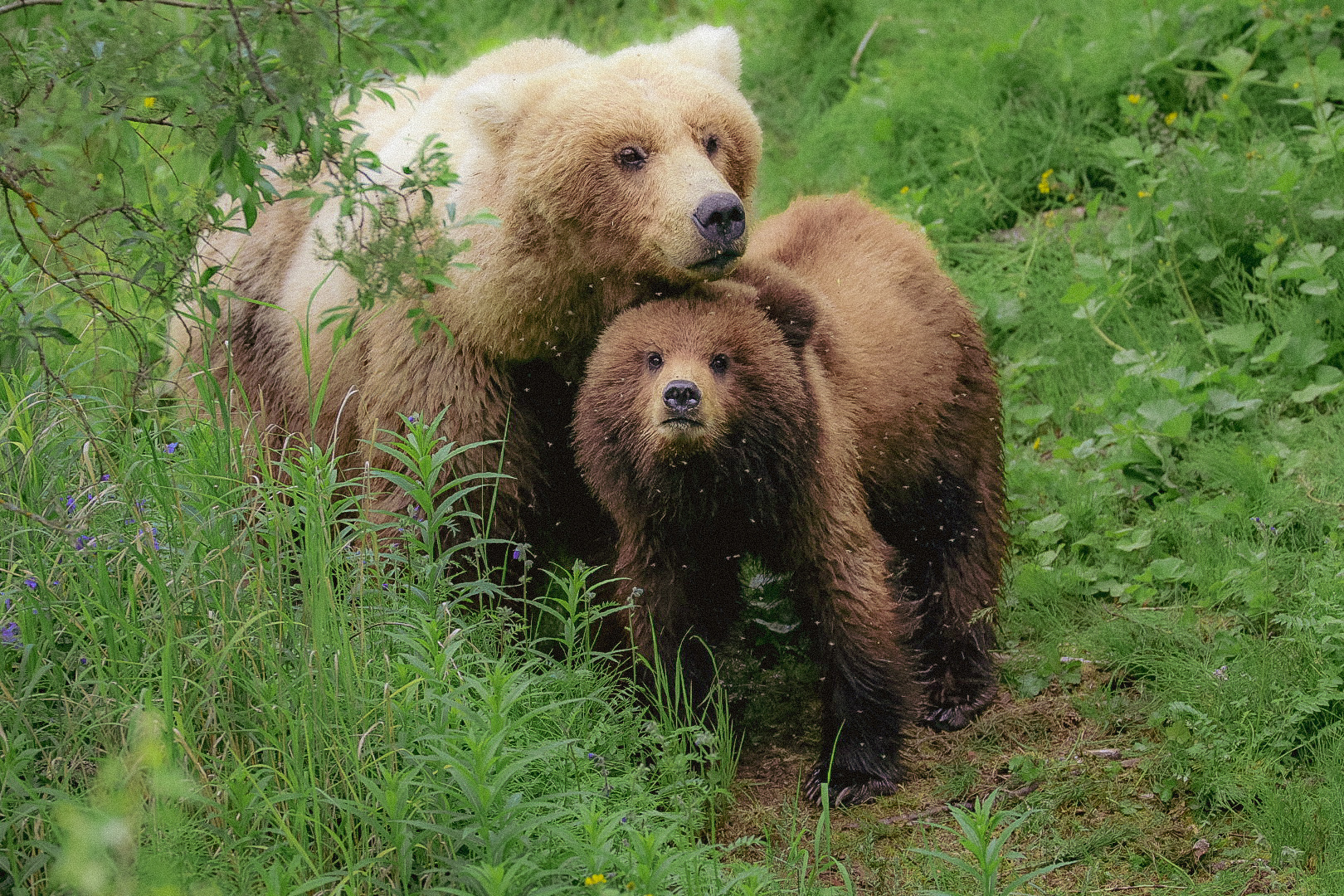
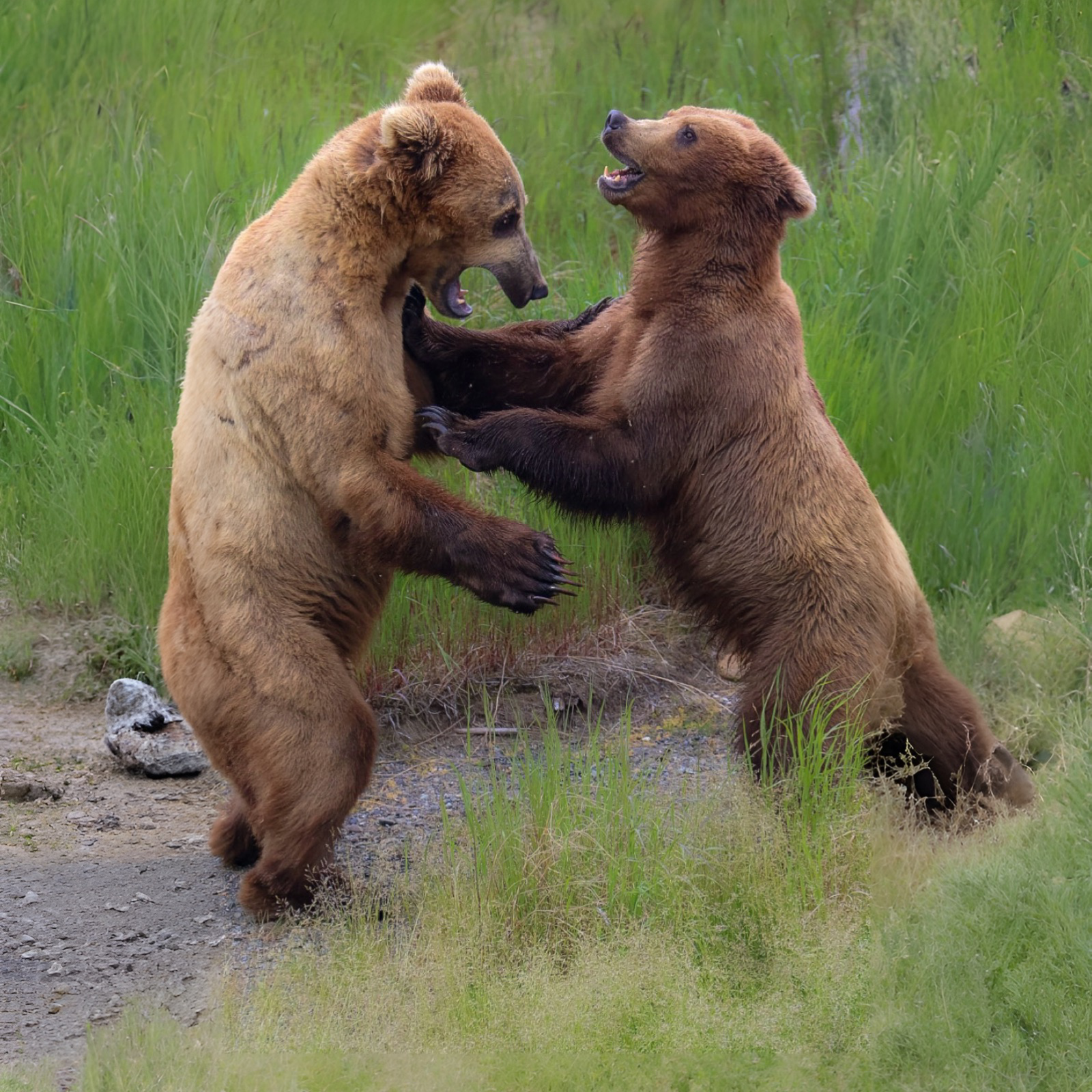
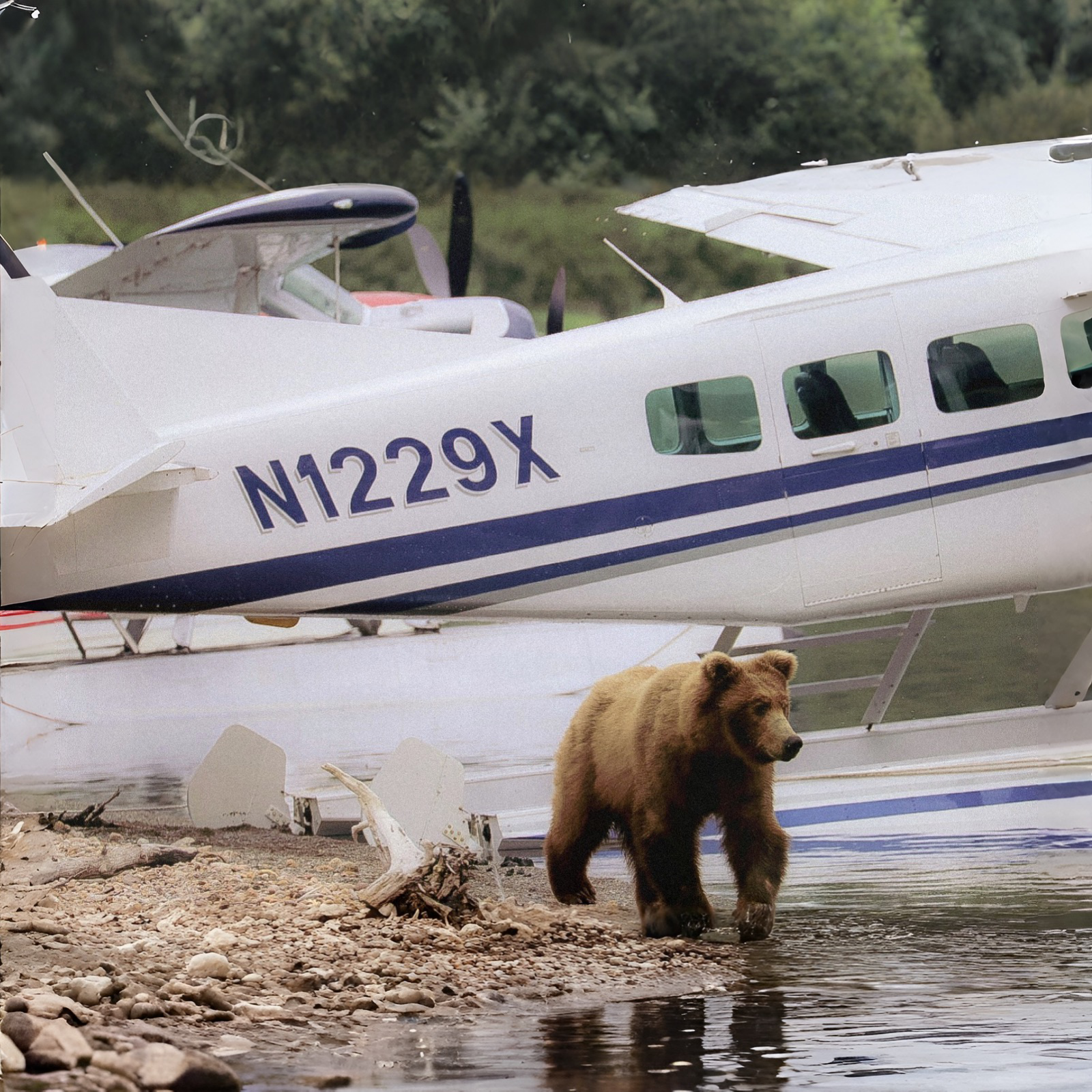
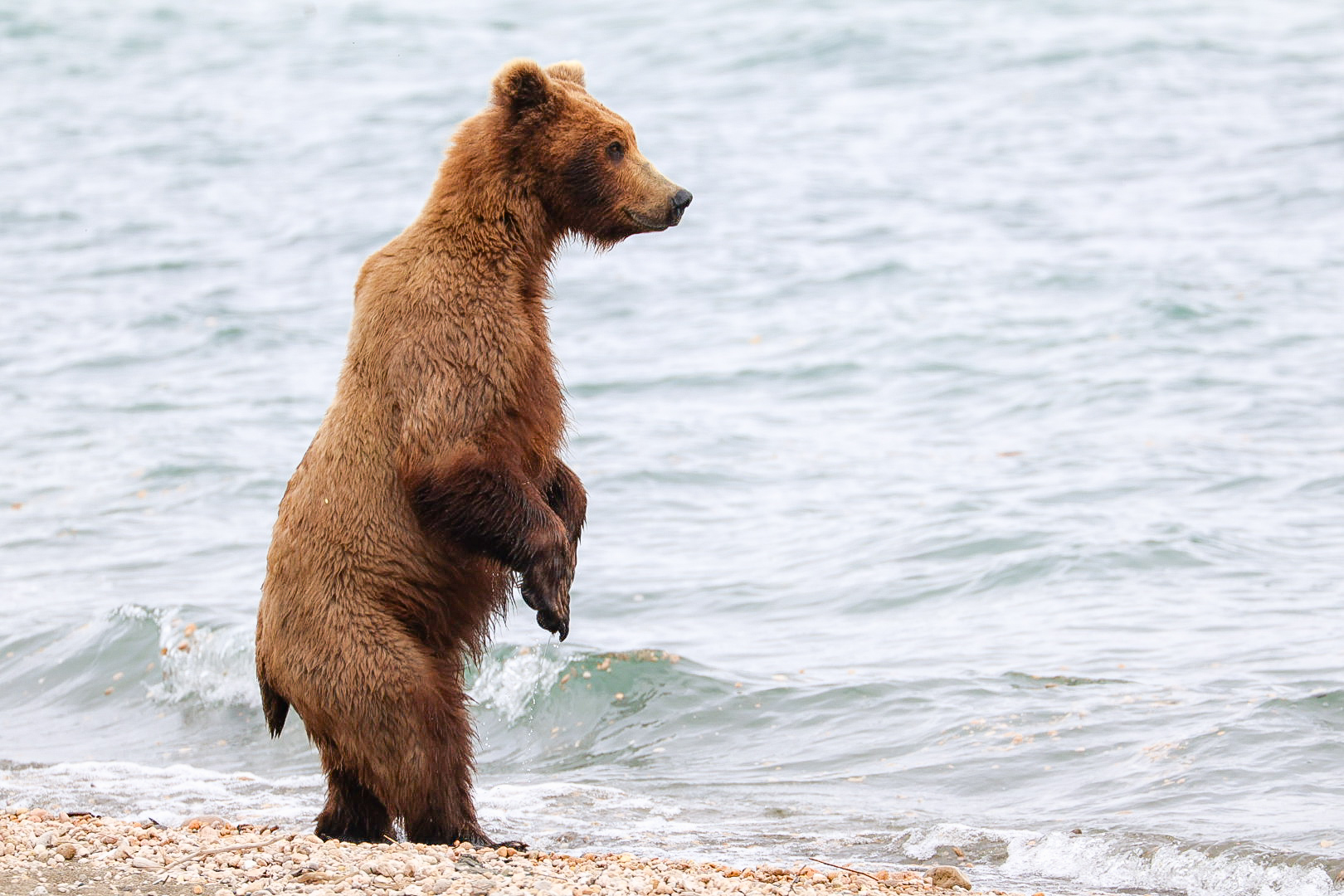
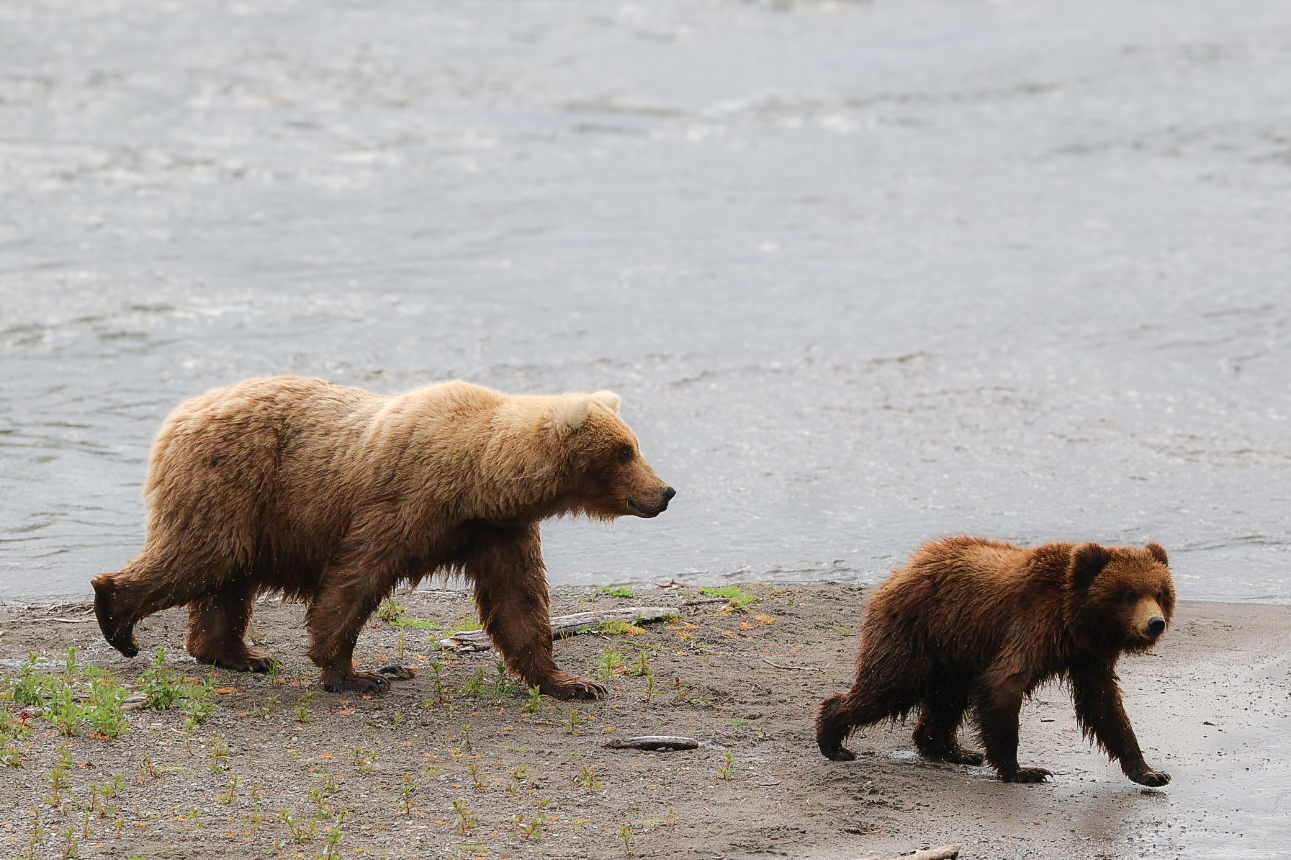
Bears, bears, bears and more bears! You will be surrounded by these wild animals and it will be one of the most unique and wonderful experiences you will ever have.




- Iconic Bear Viewing
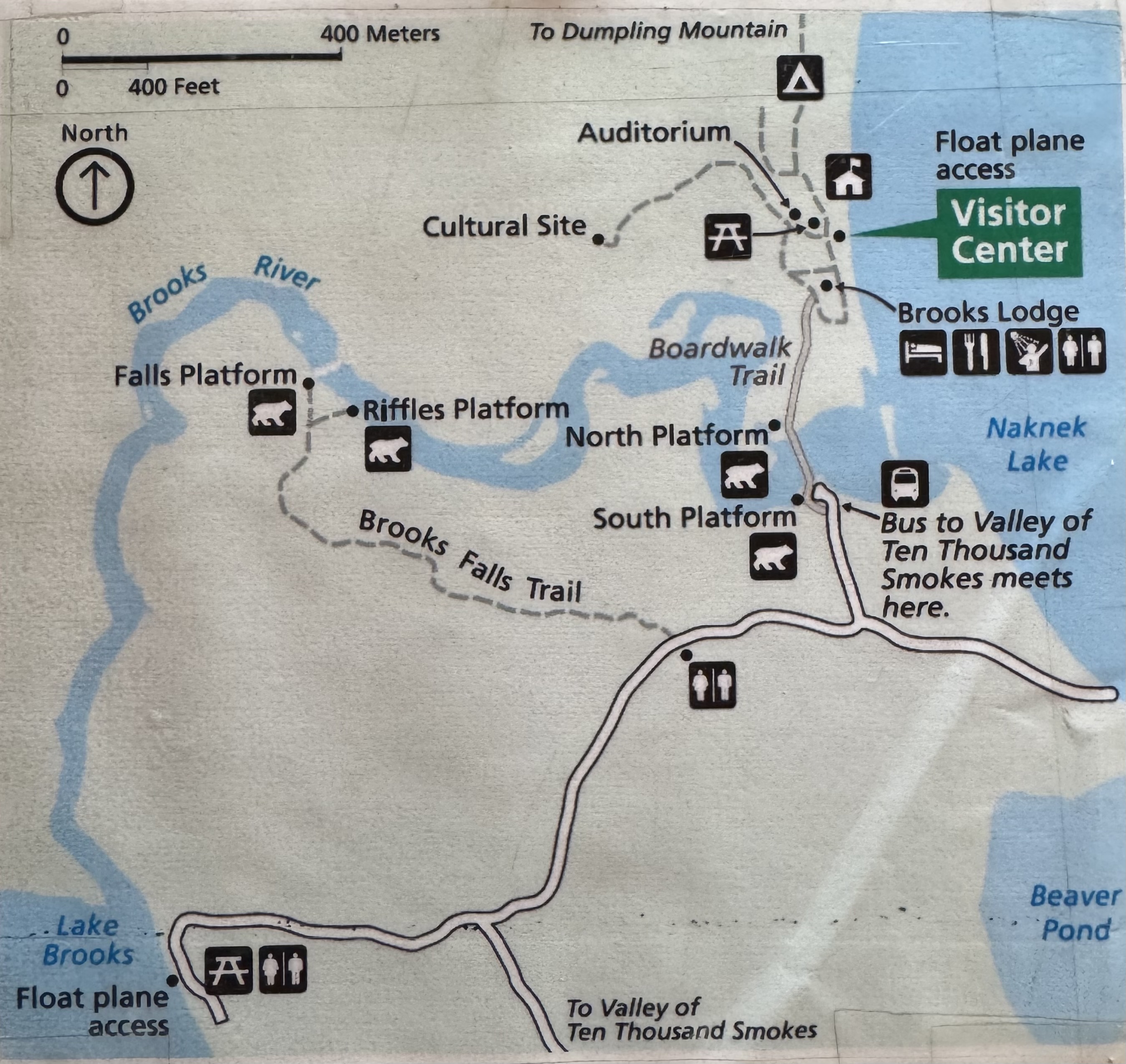
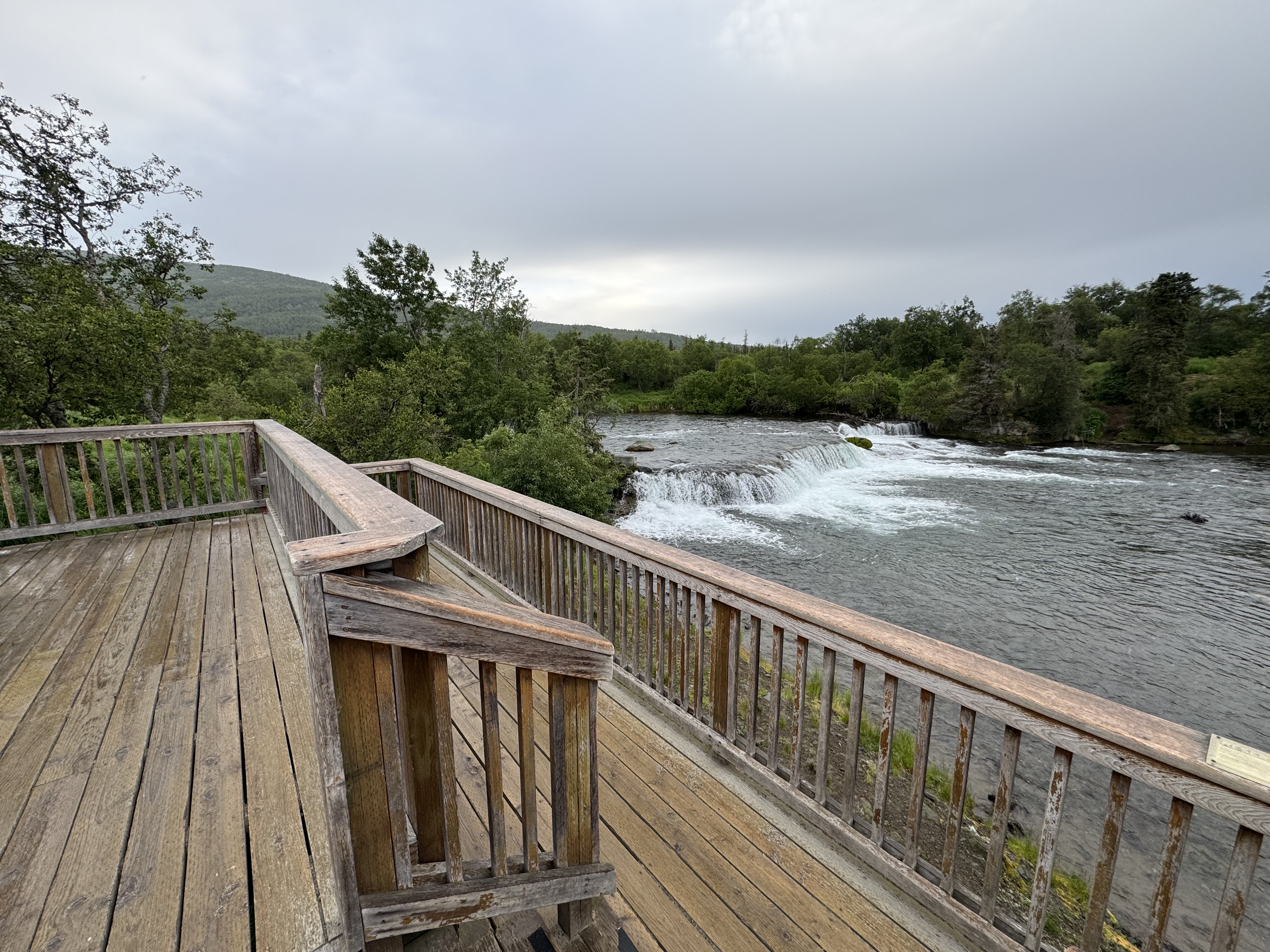
- One of the main draws of Katmai National Park is the incredible bear viewing opportunities, especially around Brooks Falls. Visitors can watch brown bears up close as they feast on salmon during the annual salmon run.
- Unmatched Volcanic Landscapes
- Katmai is home to some of the most spectacular volcanic landscapes in Alaska.
- Valley of Ten Thousand Smokes
- The valley was created by the 1912 Novarupta eruption, which left behind a surreal landscape of ash-covered slopes. Hiking here feels like stepping onto another planet—vast ash plains, lava flows, and unique geological formations make it one of the most stunning sights in the park.
- Remote Wilderness and Pristine Beauty
- Katmai is remote and often referred to as a “true wilderness” park. It’s vast, spanning over 4 million acres, and far from the hustle and bustle of city life.
- Limited Amenities and Accessibility
- Katmai is a remote wilderness, and while this is part of its charm, it’s important to be prepared for the limited amenities and challenging logistics.
- Epic Fishing Opportunities
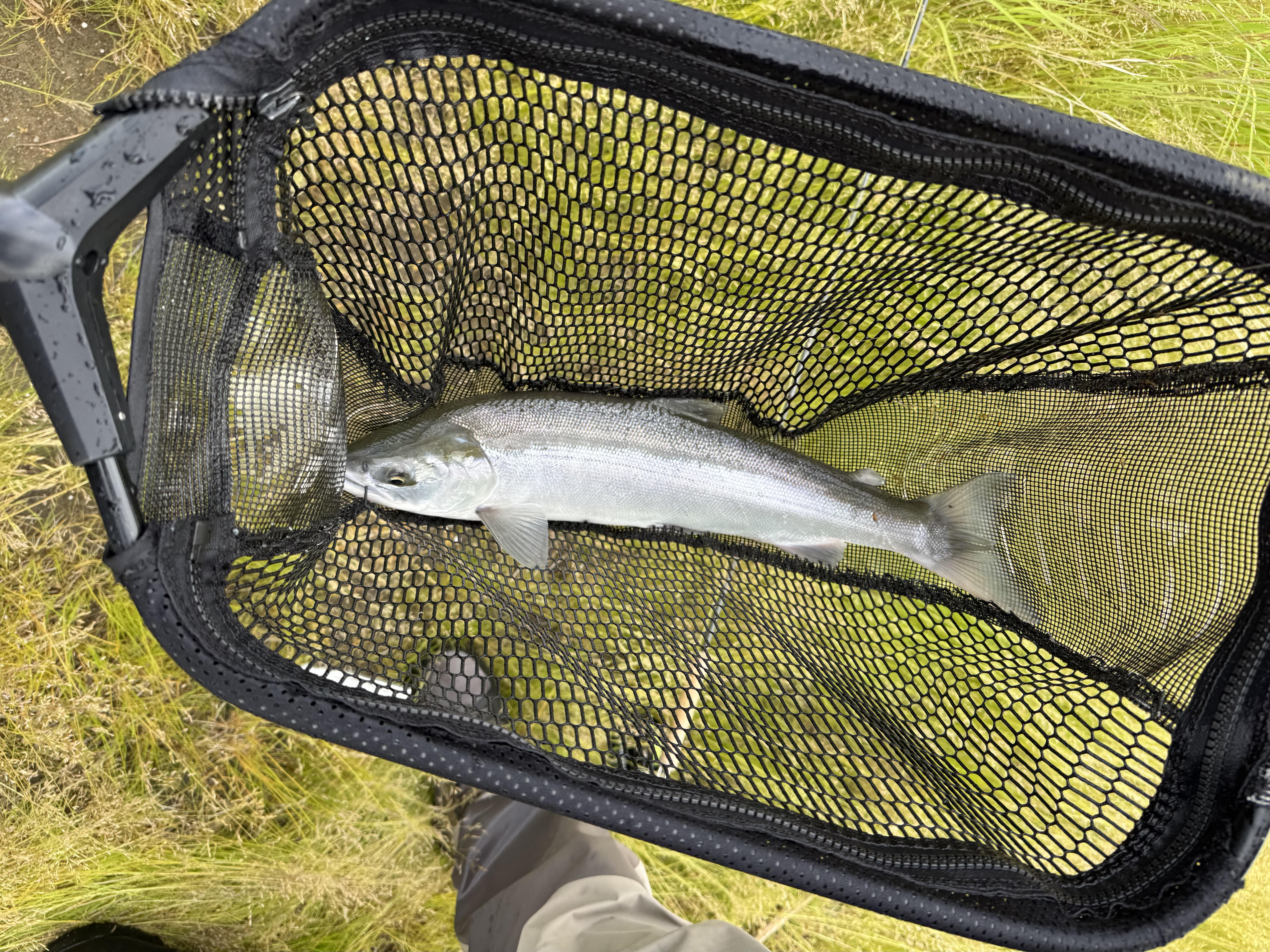
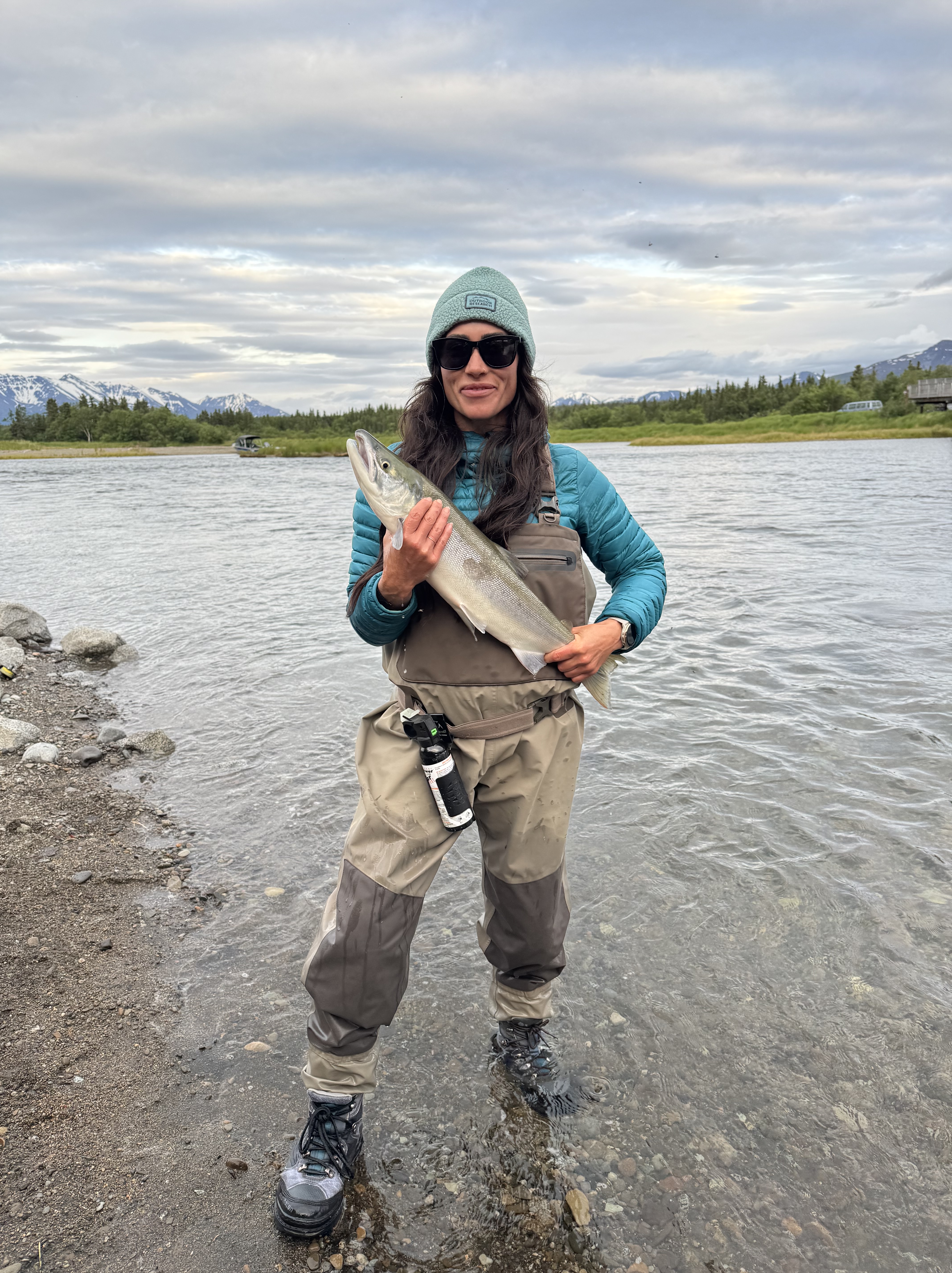
- For those interested in fishing, Katmai is a prime destination for salmon fishing. The Brooks River is known for its excellent fishing, particularly for sockeye salmon. This was my first time fishing as an adult, and I had the absolute best time- I highly recommend getting out on the water here if you have the time.

5. What if You Don’t Get a Permit for Brooks Camp?
While securing a reservation at Brooks Camp is ideal, permits for overnight stays can be HIGHLY competitive. If you weren’t able to get a spot at the Lodge or Campground, there are still a couple of options:
- Day Trips: You can still fly into Brooks Camp for a day visit. While you won’t be able to stay overnight, you can still enjoy bear viewing and all the park has to offer. You’ll need to book a seaplane flight to Brooks Camp and return the same day.
- Camping Outside of Brooks Camp: There are several backcountry campsites in Katmai that don’t require permits or reservations, though these require more preparation and can only be accessed by hiking or by private air charters.
- Other Lodging Options in King Salmon: If you can’t secure a spot at Brooks Lodge, you can stay in King Salmon, a nearby town, and take a day tour to Katmai.
6. When Should I Visit?
Visiting Brooks Camp in Katmai National Park offers a unique and unforgettable experience, especially for those hoping to witness brown bears in their natural habitat. However, the best time to visit can vary depending on what kind of experience you’re hoping for. The months of June, July, and August each have their own pros and cons when it comes to bear viewing, weather conditions, and overall visitor experience.
June: The Early Start to the Season
Pros:
- Fewer Crowds: June is the start of the summer season, so you’re likely to encounter fewer visitors. This means less crowded bear viewing platforms and a quieter, more serene experience.
- Bear Activity: Brown bears are usually emerging from hibernation and are often actively fishing for salmon, making it an exciting time for bear watchers.
- Milder Weather: While it can still be chilly, June often brings more manageable temperatures compared to later in the summer. Days are long, with up to 18 hours of daylight.
Cons:
- Limited Salmon Runs: Depending on the year, the sockeye salmon run might not be in full swing yet. This means fewer bears congregating near Brooks Falls, although fishing along the stream is still possible.
- Unpredictable Weather: June can be a bit unpredictable in terms of rain and temperature, so it’s wise to prepare for all kinds of weather.
July: Peak Bear Viewing Season
Pros:
- Prime Salmon Run: July is the peak of the sockeye salmon run, and with it, bears are more concentrated around Brooks Falls. This is the best time to witness dramatic bear behavior, including cubs fishing and large males dominating the falls.
- Warmer Weather: The weather in July is typically warmer, with longer, sunnier days. The park is at its greenest, and the landscape is vibrant with lush vegetation.
- High Bear Activity: Because the salmon are abundant, you’re likely to see more bear activity, including bears fishing, playing, and interacting with one another.
Cons:
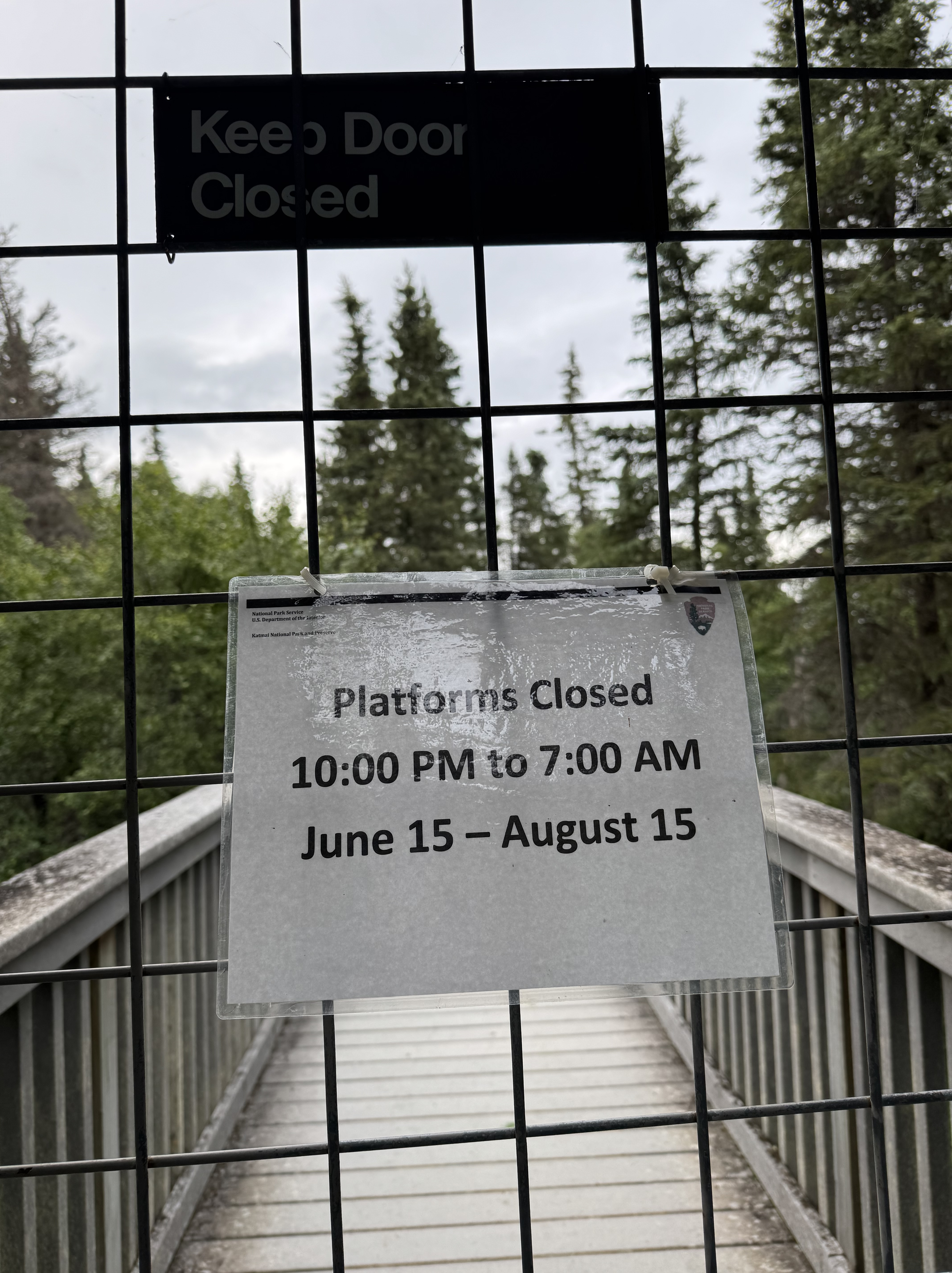
- Crowded: July is the peak tourist season, and the camp, viewing platforms, and trails can get quite crowded. This could mean less personal space and more noise, potentially reducing the tranquility of the experience. Platforms are often limited to 40 viewers at a time for about 30 minutes of viewing pleasure at a time. Waitlists get put into effect by the park rangers and sometimes it may even take a few hours in line to get back onto the viewing platform.
- Higher Prices: As one of the most popular times to visit, July also comes with higher overall costs.
August: The Tail End of the Salmon Run
Pros:
- Late-Season Bear Sightings: Although the sockeye run starts to wind down, there’s still a good chance to see bears, especially with late-season salmon hanging around the Brooks River.
- Lower Crowds: As the month progresses, visitor numbers start to drop off, leading to a more peaceful experience compared to the height of the season.
- Milder Weather: By late summer, the weather is generally still pleasant, with average temperatures remaining comfortable. Days are shorter, but you still get plenty of daylight hours.
Cons:
- Fewer Bears: As the salmon run concludes, bear activity begins to diminish. You might not see as many bears as you would in July, and the ones that are still around may be spread out over a wider area, making it harder to get a close-up view.
- Cooler Nights: While daytime temperatures are generally mild, nights in August can be colder, especially towards the end of the month, so be prepared for a chillier camping experience.
What’s the Best Time for You?
- For the ultimate bear experience and peak salmon action, July is your best bet. However, be prepared for large crowds and higher costs.
- If you prefer fewer tourists and don’t mind some unpredictability, June offers a quieter, more peaceful visit with the possibility of early-season bear sightings.
- If you prefer a quieter atmosphere and still want a chance at seeing bears (albeit fewer), late August may be perfect, with cooler nights and less competition for space.
Overall, each month has its own charm, so it ultimately depends on your priorities—whether it’s the number of bears, the weather, or avoiding the peak-season rush.
Final Thoughts

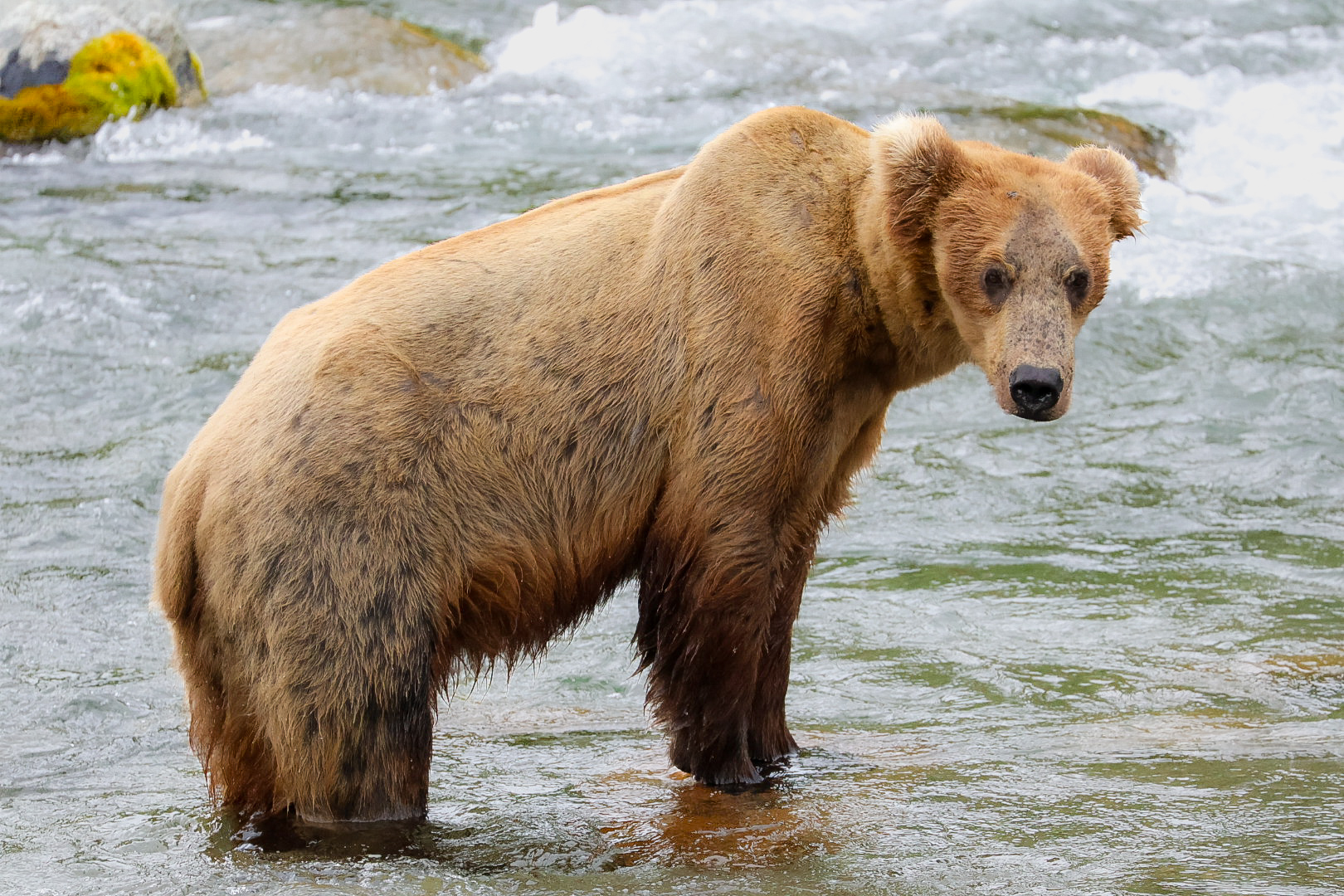
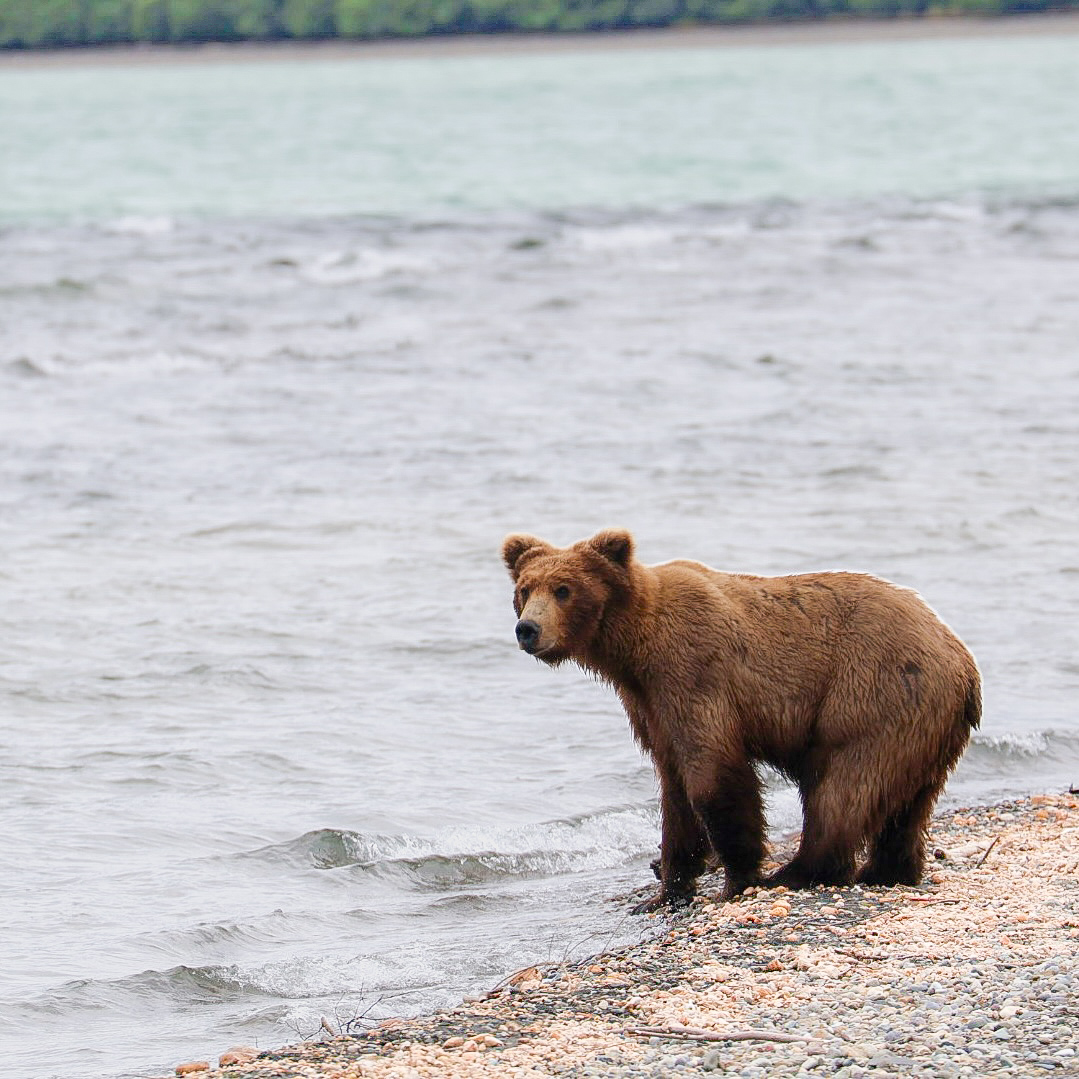
Katmai National Park is not just a destination; it’s a journey into one of the most wild and remote places in North America. Whether you’re there to witness the bear action at Brooks Falls, hike through volcanic landscapes, or simply enjoy the wild beauty, Katmai offers something truly special. Just make sure to come prepared, as the park’s ruggedness and remoteness are part of its appeal—and also part of its challenge.
In short, expect an experience that’s truly authentic and unforgettable, a place where nature dominates and you’re just a visitor to its extraordinary wilderness.
 your "how to" helper
Leave a comment